
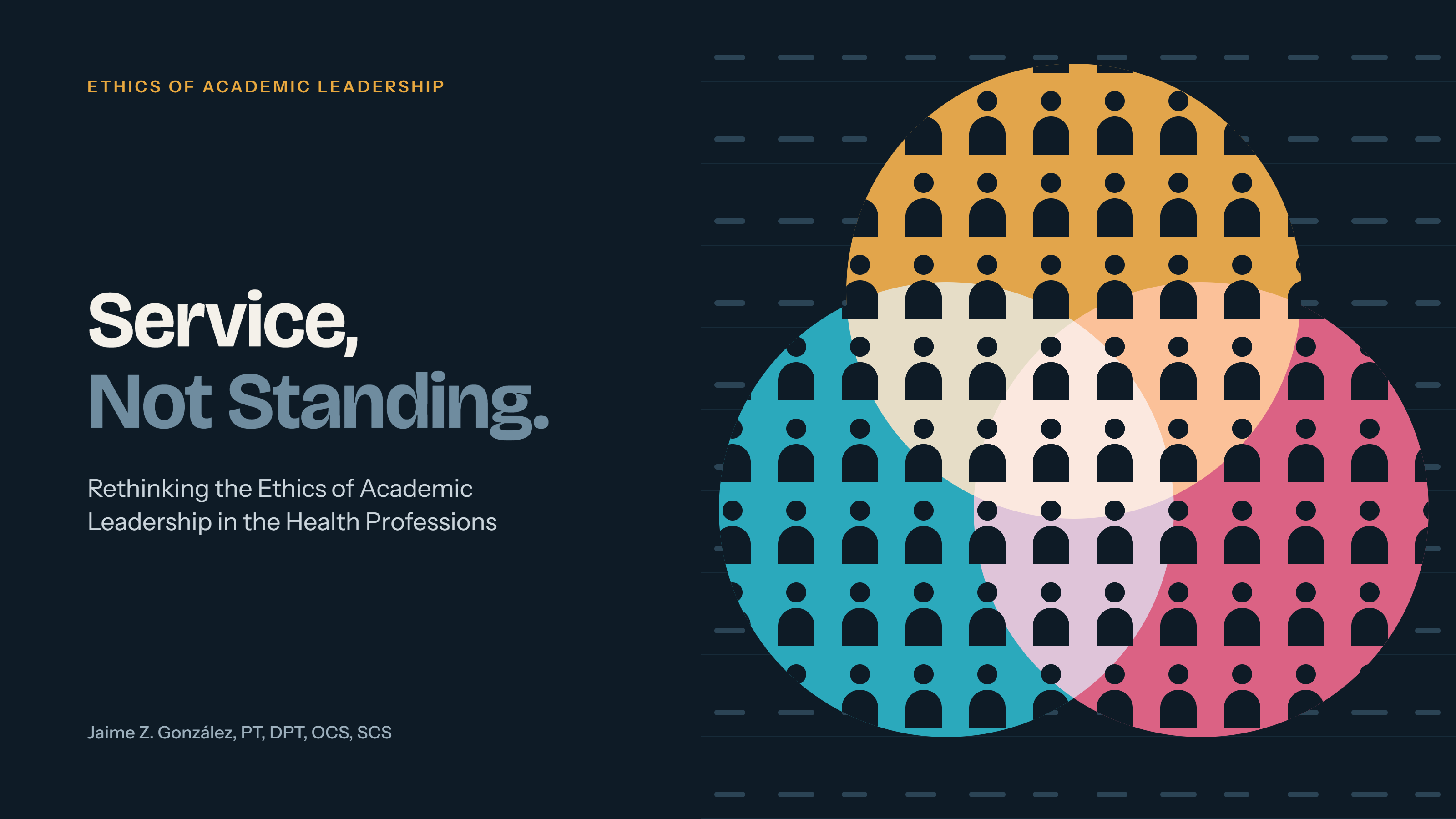
Every academic leader in the health professions eventually learns to say the word fiduciary. We reach for it to explain a hiring freeze, a denied accommodation, a colleague let go. It carries real weight: those entrusted with tuition dollars, clinical partnerships, and accreditation standing hold something not theirs to squander. But I have also watched that word do quieter, less honorable work — become the phrase a leader reaches for when a decision is hard on people and easier to defend than to justify. Invoked that way, fiduciary duty stops being a duty and becomes a veil, a respectable cover for treating people as line items.
That gap — between the fiduciary as steward and the fiduciary as excuse — is a central ethical problem in academic leadership. As an example, a clinical faculty member returns from family leave and asks for a reduced teaching load for one semester. The chair says no and cites “our fiduciary obligation to the program’s budget.” The faculty member leaves at the end of the year, and replacing him costs far more than the accommodation would have.
The three great traditions of moral philosophy are most useful here not as theories to choose among, but as three lights to shine into that gap.
Three Lights on One Problem
Teleological ethics judges an action by its consequences; the right choice produces the greatest good. Nearly every appeal to fiduciary duty is, at bottom, teleological: the institution must survive, the many must be served, and so the few — a struggling faculty member, a costly clinical site — may be sacrificed to the larger good. This reasoning is not wrong. But teleology alone has a familiar failure mode: it will always find a way to justify the harm it has already decided to cause. “Most people can manage the extra load” is a consequentialist sentence, and it is usually the opening line of a real injustice.
Deontological ethics supplies the correction. It insists that certain duties bind us regardless of outcome — to tell the truth, to protect due process, to treat persons as ends and never merely as means. When a program director is tempted to bury a safety concern to protect a graduation rate, the deontological voice says no — not even for a good outcome.
Virtue ethics asks the deepest question of the three. Not “What outcome should I pursue?” nor “What rule must I keep?” but “What kind of leader am I becoming?” Aristotle understood that we are formed by our choices: a leader who reaches for the veil once will reach for it again, until the reach becomes habit and the habit hardens into character. Three virtues matter here: phronesis, the practical wisdom to weigh competing goods; courage, to absorb pressure rather than pass it downward; and justice, which Karl Haden rightly names the outward-looking virtue — the one concerned above all with what we owe others.
Contact AAL to learn more about our programs and services.
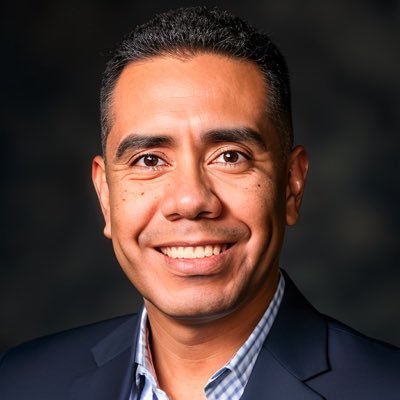
Author:
Jaime Z. González, PT, DPT, OCS, SCS, PhD Candidate in Higher Education Administration
Dr. González is the Founding Director of Clinical Education and Clinical Associate Professor, Doctor of Physical Therapy Program, The University of Texas Rio Grande Valley. Dr. González is also Principal, J. González Consulting, PLLC.
RECENT ARTICLES